
Reverse Tuck vs. Straight Tuck vs. Auto Bottom: Folding Carton Guide
Structure choice has a direct influence on cost, durability, assembly rate and shipping efficiency when it comes to sourcing custom folding cartons.
The most popular tuck end box styles include:
- Reverse tuck boxes
- Straight tuck end boxes
- Tuck top auto bottom boxes
- Snap lock bottom boxes
Understanding the structural variations helps buyers choose the right solution for their product type, logistics needs, and production volume.
This guide dissects every structure.
What Is a Reverse Tuck Box(RTE)?
In a reverse tuck box, the flaps don’t go the same way, the top tucks one direction, the bottom tucks the other.


Key Structural Features of Reverse Tuck Boxes
- Flaps close in opposite directions
- Slightly less material-intensive.
- Reduced paper waste
- Lower production cost
Because the top and bottom flaps face in opposite directions, nesting is more efficient, allowing 10-20% more boxes to be cut from each sheet and reducing waste by 5-15%. But this design can leave visible cut edges on the finished box
Common Uses for Reverse Tuck Boxes
Reverse tuck boxes are commonly used for cosmetics, skincare products, supplements, playing cards, and small electronics, thanks to their balance of cost efficiency and reliable protection.
What Is a Straight Tuck End Box(STE)?
Straight tuck end boxes (STEs) are the opposite of reverse tuck boxes in that both the top and bottom flaps fold in the same direction.
One thing you’ll notice about straight tuck boxes: the front panel is smooth and seamless.


Key Structural Features of Straight Tuck End Boxes
- Flaps are closed in the same direction.
- Slightly higher material consumption.
- Clean retail appearance
Due to the aligned folds, nesting efficiency is lower than that of reverse tuck boxes, resulting in a 5–15% higher unit price. One of the biggest selling points of straight tuck boxes is their clean, edge-free finish. This makes them a great fit for small to medium batches (typically 1,000–10,000 units). And because the printing area is more symmetrical, your branding comes across as more polished and professional.
When Should You Use Straight Tuck End Boxes?
- The aesthetics of shelf displays is important.
- Expensive cosmetic packaging or retail packaging is required.
What Is a Tuck Top Auto Bottom Box?
From the name alone, it’s clear this box features an auto-locking base that the bottom simply pops into place when you assemble it.
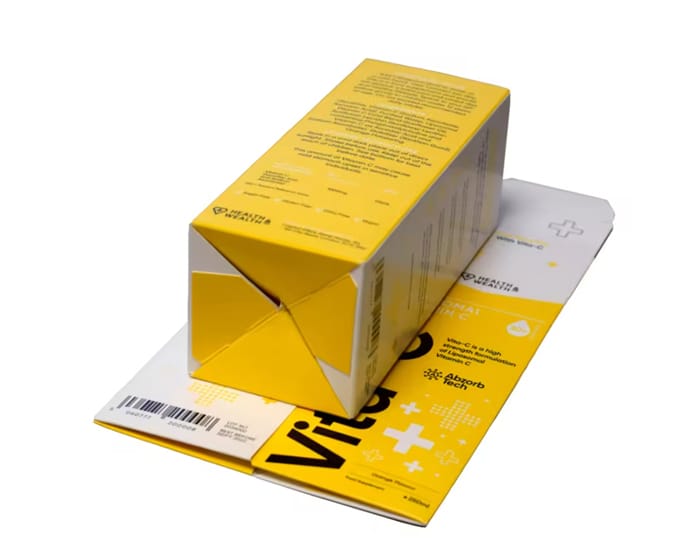
Key Benefits of Auto Bottom Boxes
The auto-lock bottom box stands out for one key reason: its base. It’s engineered to be strong, durable, and incredibly fast to set up. They’re ideal for heavier items like bottles, jars, and Heavier retail goods packages, where structural integrity matters most. In large-scale runs, the auto-lock mechanism really shines, dramatically reducing assembly time.
What Is a Snap Lock Bottom Box (Crash Lock Bottom)?
A snap lock bottom box involves a manual assembly of interlock bottom flaps.
Snap lock designs are not glued in advance, as is the case with auto bottom boxes.
Auto Bottom vs Snap Lock Bottom: Key Differences
Feature | Auto Bottom | Snap Lock Bottom |
Assembly Speed | Very Fast | Moderate |
Strength | High | High |
Pre-glued | Yes | No |
Cost | Higher | Moderate |
Snap lock boxes have high support and demand manual folding of bottom panels.
If you’re packaging medium-weight items and keeping an eye on costs, these are an ideal choice.
Reverse Tuck vs Straight Tuck vs Auto Bottom vs Snap Lock: Key Differences
Structure | Best For | Cost | Assembly | Strength |
Reverse Tuck | Light products | Low | Easy | Medium |
Straight Tuck | Premium retail | Medium | Easy | Medium |
Auto Bottom | Heavy products | Higher | Very fast | High |
Snap Lock | Medium weight | Medium | Moderate | High |
How to Choose the Right Tuck Box Structure
When it comes to choosing between reverse tuck, straight tuck, and auto bottom boxes, a few key factors come into play.
Choose Based on Product Weight
- Lightweight – Reverse tuck
- Medium weight – Straight tuck
- Heavy items – Auto bottom
Choose Based on Branding and Shelf Display
- Cost priority with retail focus – Reverse tuck.
- High quality presentation – Straight tuck.
- Durability – auto bottom and snap lock.
Choose Based on Packing Efficiency
- Packing by hand – Reverse or straight tuck.
- High volume production – Auto bottom.
Conclusion: Choosing the Right Folding Carton Structure
The style of tuck end box selected influences directly cost, longevity, and efficiency.
Business can optimize its performance and the cost of its packaging by tying structure to the weight of the product and positioning by brand.
We need to consider our product’s weight, monthly production volume, and the importance of its packaging’s visual appeal. Based on these factors, we can then determine the appropriate packaging structure and contact the supplier to request samples of one or two options.
FAQ About Tuck Box Structures
Q: What is a reverse tuck box?
The name says it all: with a reverse tuck box, the top flap tucks one way, the bottom flap tucks the opposite way.
Q: Do straight tuck end boxes have more strength compared to reverse tuck boxes?
Structurally, they’re quite similar only minor differences in strength. Really, it comes down to aesthetics and material choice. In some cases, straight tuck boxes offer slightly better front-panel integrity and tamper evidence. But honestly, both work well for lightweight to medium-weight products.
Q: What are the occasions I should use tuck top auto bottom boxes?
Apply them to heavier products which need good support at the bottom and rapid assembly during packing.
Q: What is the variation of auto bottom and snap lock bottom?
Auto bottom boxes are glued on the back and are quicker to assemble unlike snap lock bottoms which need to be folded manually.

With more than 10 years of experience in OEM/ODM/Private Label Paper Packaging, I'd love to share with you the valuable knowledge related to paper box products from a reliable Chinese supplier's perspective.
Table of Contents
Own your OEM/ODM/Private label of paper packaging is so easy here.