
Partial-Cover vs Full-Cover vs Shoulder-Neck Boxes: Structural Differences Explained
What is a partial cover two piece box?
A partial cover two piece box is a box whose lid only covers part of the bottom, but not the entire bottom. Frequently used ratios of lid coverage are one-third or one-half the height of the box.
This design offers a more open and modern look and consumes fewer materials. The lid does not fully cover the bottom; thus, partial cover two piece boxes usually use less paperboard and fewer production processes.
Partial cover two piece boxes are frequently employed to package promotions, gift boxes, and products that are to be displayed visually or in a modern fashion. Cost-wise, they are generally cheaper than full two piece or shoulder neck boxes.
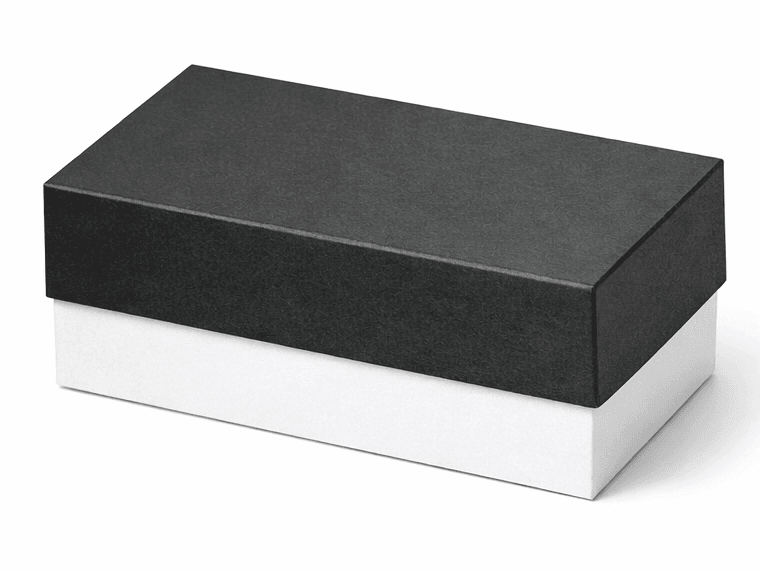
What Is a Full Cover Two Piece Box?
The most common type of rigid box is the full-cover two-piece box, also known as a lid-and-base box. The base is covered by the lid to the top, giving the lid a clean and closed appearance.
This structure has a lid that completely covers the base, with the lid slightly larger than the base. In some designs, the base completely encloses the lid, with the base slightly larger than the lid. The boxes are simple and durable. Printing a logo on the top lid helps promote the brand when customers open the box. Compared with partial-cover boxes, they offer less visual depth.
Due to its simple structure, the full-cover two-piece box is easy to customize. Once the dimensions, paper finish, and logo are confirmed, production can proceed quickly. It offers a high-end appearance while remaining affordable, making it a best-selling rigid box style.
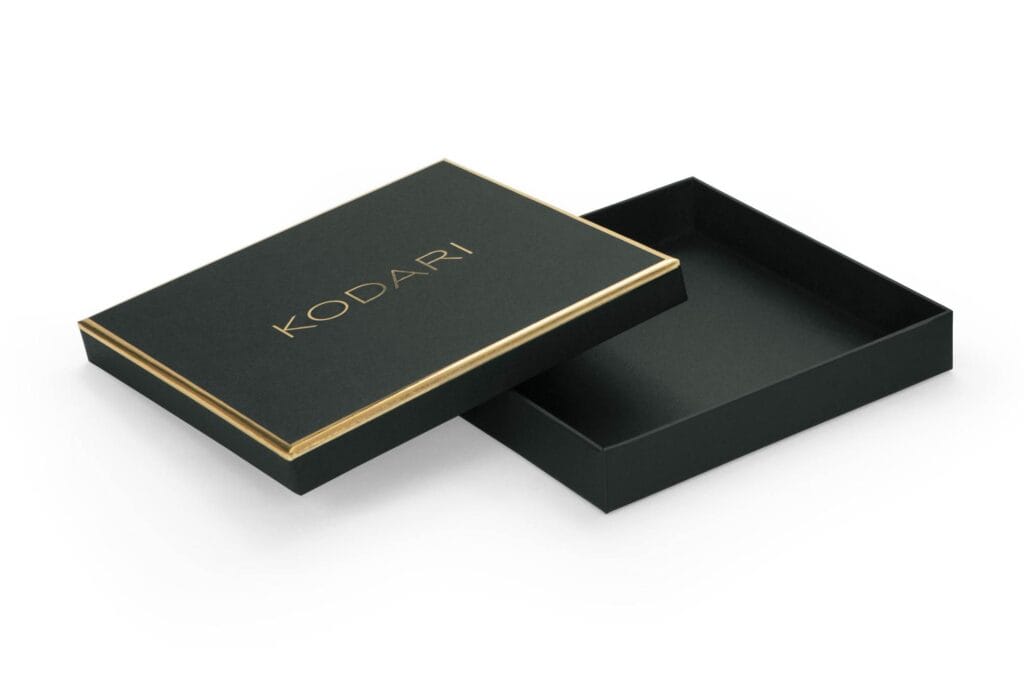
What Is a Shoulder Neck Box?
A shoulder-neck box (also called a shoulder box or neck box) is a special type of two-piece box where a slightly smaller inner box is attached to the base, resulting in a three-part box: an outer lid, an inner shoulder (or neck), and a base.
The visible shoulder creates a precise alignment point when the lid is closed, delivering a high-end, elegant appearance. This design boosts visual symmetry as well as the perceived quality, and shoulder neck boxes tend to be used in products of high value and luxury goods.
Shoulder & neck boxes require tighter production tolerances (typically ±0.3 mm or better) to prevent gaps or misalignment. The inner neck height is usually 10–40 mm, depending on the design. More complicated assembly and manufacturing precision. Consequently, they are usually more costly to produce than two piece box structures that are normal.
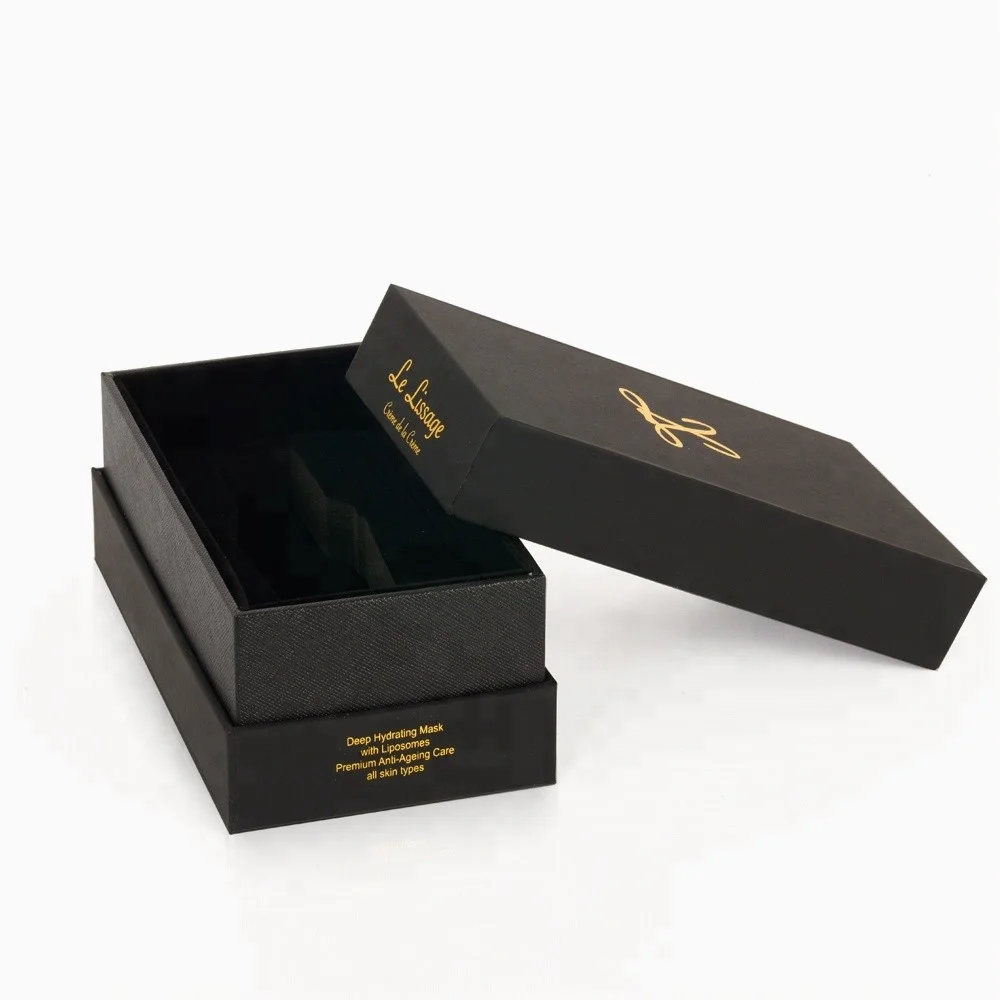
Structural Comparison: Two Piece vs Shoulder Neck Box
Feature | Partial Cover Two Piece Box | Full Cover Two Piece Box | Shoulder Neck Box |
Lid Coverage | Partial | Full | Full with inner shoulder |
Structural Complexity | Low | Medium | High |
Visual Style | Modern, open | Classic, balanced | Precise, premium |
Manufacturing Cost | Lowest | Medium | Higher |
Production Tolerance | Standard | Standard | High precision |
Typical Use | Gifts, promos | Most products | Luxury packaging |
Since Partial Cover boxes use less material than full Cover boxes, their cost is 10%-30% lower. However, Shoulder & Neck boxes often cost 30–60% more than standard full cover boxes due to the additional inner tray and tighter production tolerances. For the same size, a full cover box costs $1, a partial cover box costs $0.7-$0.9, and a shoulder-neck box costs $1.3-$1.6. Specific figures need to be confirmed with the manufacturer based on size, material, and manufacturing process. This comparison brings out the fact that minor differences in structure can create great differences in cost, appearance, and production requirements.
How to Choose the Right Rigid Box Structure
The choice of the best structure depends on various factors, including the product’s positioning, budget, target audience, and desired brand aesthetics.
Partially two piece boxes are applicable in the brands that desire a contemporary appearance and economical prices. Full two piece boxes have been considered as a dependable option of most products as they are very versatile and balanced. The use of shoulder neck boxes is recommended to be used only for high-quality products that require visual accuracy and high-quality presentation.
When it comes to the established structure, it would be a good idea to consult an experienced producer of rigid boxes in order to guarantee that another structure remains in line with the design goals and the capacity of production.
Frequent Errors in the Selection of Two Piece Box Structures
The first misconception is that all two-piece boxes are the same. Another misconception is that shoulder-neck boxes are chosen mainly for their appearance, with the assumption that the price difference is minimal, without considering higher material costs and manufacturing complexity.
You should not rely only on reference images without providing detailed information about the internal structure, as this may cause production problems. Consistent results can be achieved only by clear communication of the structural requirements, particularly in the case of large or repeat orders.
Conclusion
The partial cover two piece boxes, full cover two piece boxes, and shoulder neck boxes help in fulfilling various packaging requirements. No sure thing is better–just the one that fits the product, brand position, and budget.
These structural differences can help the brands and buyers to make wise choices about the packaging, prevent unwarranted expenses, and attain regular quality. One of the initial stages in gaining success in developing custom packages is selecting the appropriate rigid box structure.
FAQ:
Q 1: What is the primary distinction between a partial and a full cover two piece box?
The primary distinction is the lid coverage. Partial cover two piece box has a lid that covers part of what is at the bottom, whereas the full cover two piece box covers the whole bottom to give a more traditional and safe look.
Q2: Does a shoulder neck box qualify to be a type of two piece box?
Yes, a shoulder and neck box can be considered either a special type of two-piece box or a three-piece box. Structurally, it includes an additional inner shoulder, which makes it a three-piece design. However, in manufacturing, it is typically classified as a two-piece box because it opens the same way, and the shoulder and base are treated as a single unit.
Q 3: Which two-piece structure is the most cost-effective?
Given the same size and order quantity, partial-cover two-piece boxes are usually the most cost-effective due to lower material usage. Full-cover boxes are mid-range, while shoulder-neck boxes are the most expensive because they require more materials and involve more complex manufacturing processes.
Q 4: Can shoulder neck boxes be utilized with large volumes of production?
They can be manufactured in bulk quantities; however, stricter tolerances and more demanding accuracy can lead to increased costs and extended manufacturing times.
Q 5: How do I select the appropriate two piece box structure for my product?
Whether you choose a partial-cover two-piece box, a full-cover two-piece box, or a shoulder-neck box, each option has its own advantages. Brands that focus on premium image and aesthetics often prefer shoulder-neck boxes, such as for candle packaging. Brands that are more cost-conscious usually choose partial-cover or full-cover two-piece boxes, such as those used for mobile phone packaging.

With more than 10 years of experience in OEM/ODM/Private Label Paper Packaging, I'd love to share with you the valuable knowledge related to paper box products from a reliable Chinese supplier's perspective.
Table of Contents
Own your OEM/ODM/Private label of paper packaging is so easy here.