
Introduction
The cartons arrive, you open the first pallet, and the print is off-register. The second pallet has crushed corners. By the third, you realize nobody checked the order before it left the factory.
Packaging inspection — the structured check performed before goods ship — is the cheapest insurance in the entire supply chain. One hour of inspection at the factory prevents weeks of rework, chargebacks, and missed launches.
This guide covers what to inspect, how to sample, what a proper report contains, and the defects that should stop a shipment.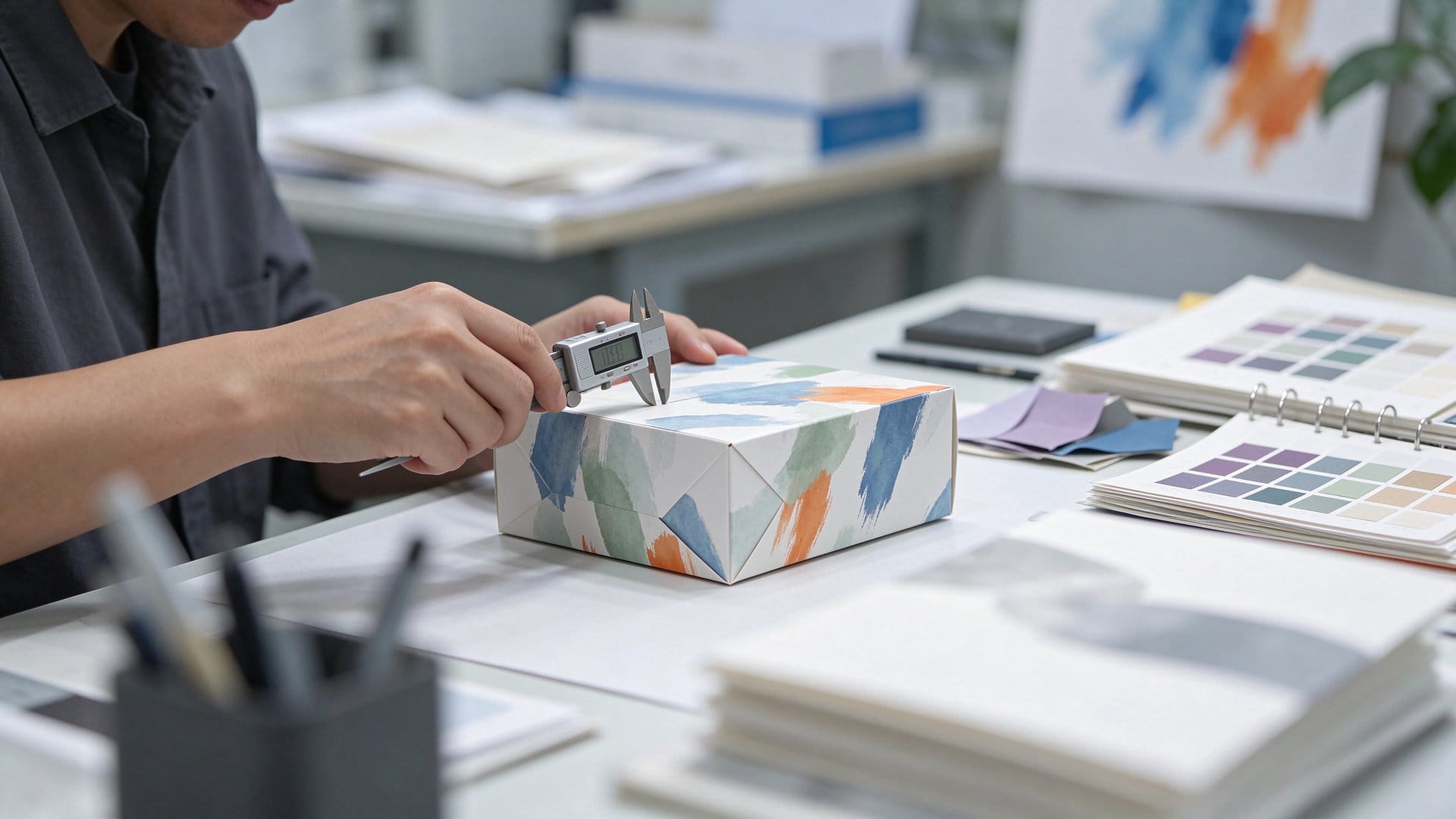
Dimensional checks catch the defects that photos can’t.
Why Packaging Inspection Matters
A packaging defect is rarely just a packaging problem. A crushed corner reads as careless shipping. A color that drifts reads as a cheap brand. A missing insert reads as a broken product.
Correcting defects after the container arrives costs 5–10x more than catching them at the factory. That’s the entire case for inspection: you move the cost from your warehouse to the loading dock.
When to Inspect
For most buyers, pre-shipment inspection (PSI) is the essential one. DUPRO is worth adding on large or complex orders.
The 8-Point Packaging Inspection Checklist
1. Quantity. Count cartons against the purchase order, not the packing list. Check inner pack counts too — 10 boxes per inner, 4 inners per carton adds up fast.
2. Dimensions. Measure length, width, height, and dieline-critical dimensions with calipers. Tolerance is typically ±1–2 mm for folding cartons.
3. Print quality. Check color against the approved proof, registration between plates, and ink coverage consistency. Compare three cartons from different pallets.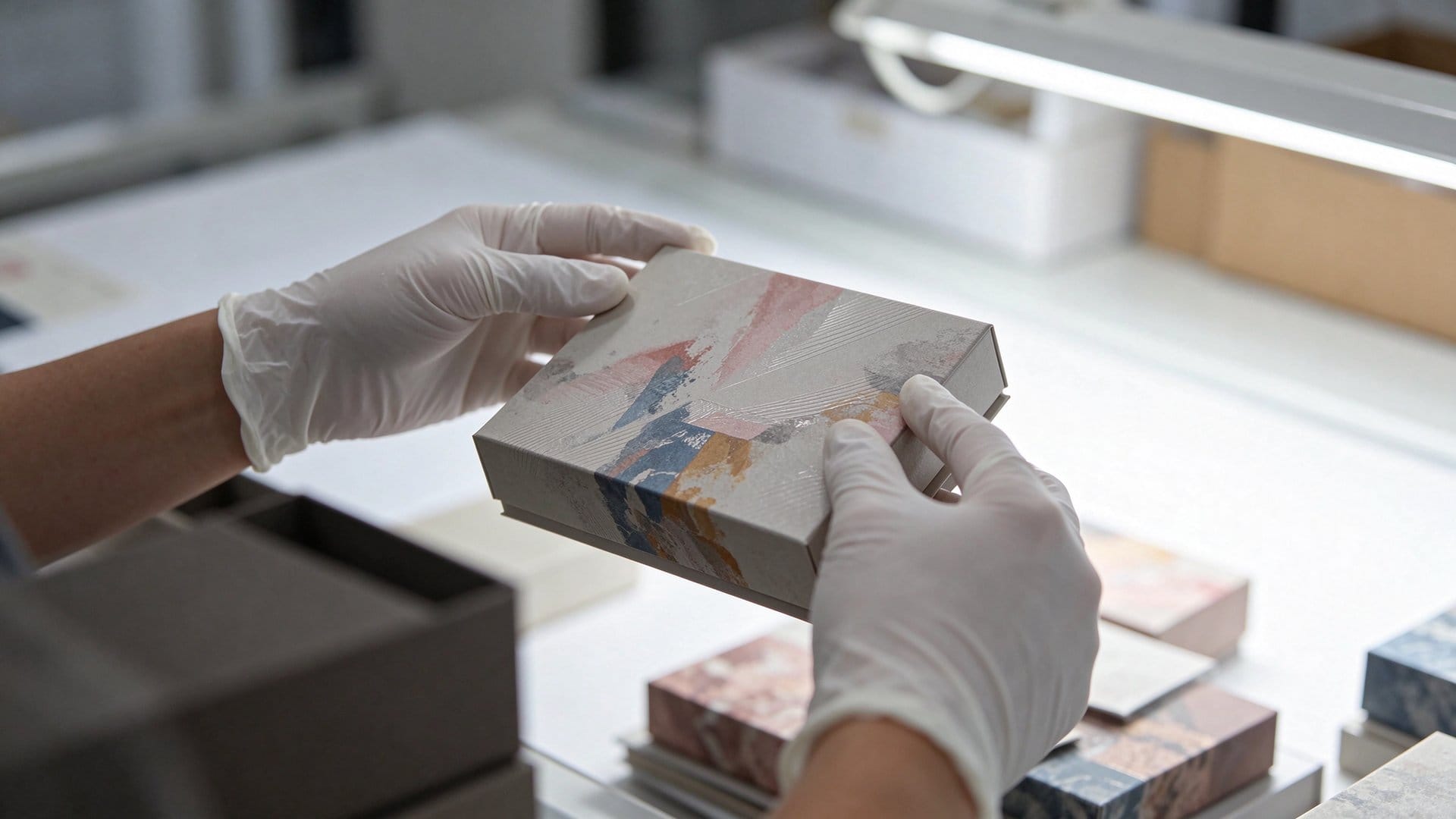
A packaging inspection at the print stage catches registration drift before it repeats across the whole run.
4. Material and board weight. Verify board grade and grammage (gsm). A 350 gsm carton that arrives at 300 gsm is a silent downgrade — thin, weak, and cheap-feeling.
5. Structure and assembly. Fold and assemble a sample. Check that flaps close cleanly, glue holds, and the box holds its shape under load.
6. Surface finish. Inspect lamination, foil, embossing, and coating. Look for bubbles, scuffs, missing foil, and uneven gloss.
7. Inserts and accessories. Verify EVA, foam, ribbon, and any printed collateral are present, correct, and undamaged.
8. Marking and packing. Check carton marks, shipping labels, and pallet configuration. One wrong label can send a container to the wrong warehouse.
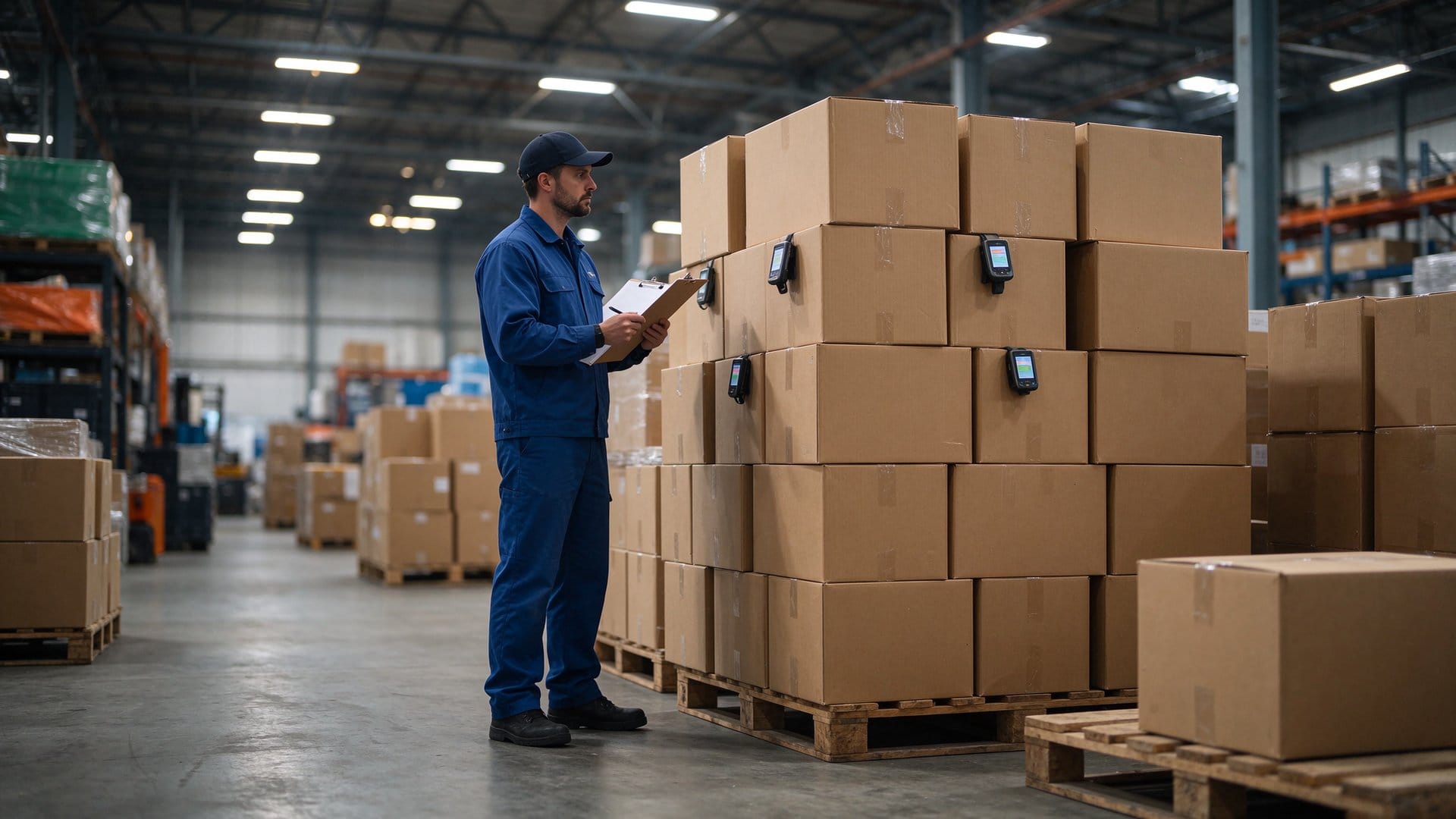 Pre-shipment checks happen on the loading dock — before the container closes.
AQL Sampling: How Many Cartons to Check
You don’t inspect every box. You sample to a standard.
Most factory inspections use ISO 2859-1 (AQL) at General Inspection Level II. For a typical order:
Critical defects (safety, branding errors, wrong product) have zero tolerance regardless of AQL. A single wrong logo is a reject.
What a Proper Inspection Report Contains
- Order and SKU reference, factory name, inspection date
- Sample size and AQL level used
- Measurement data, not just pass/fail
- Photos of defects with location and severity
- Defect classification: critical / major / minor
- Clear conclusion: pass, pass with concession, or fail
A report that says “looks good” is not a report. Ask for numbers and photos.
Common Packaging Defects
Third-Party Inspection vs Self-Inspection
Third-party inspectors (SGS, Bureau Veritas, QIMA) cost roughly $300–600 per man-day and produce independent reports. Worth it for first orders, large volumes, and new factories — a packaging inspection from a neutral party is harder for anyone to wave away.
Self-inspection works once you trust a factory: send your own checklist, require photos, and spot-check a sample on arrival. Cheaper, but less independent.
For material compliance, ask the factory for FSC chain-of-custody documentation and verify it against the certificate — a packaging inspection should confirm claims, not just appearance.
FAQ
Do I really need packaging inspection on every order? Not every order — but always on first orders, new factories, large volumes, and tight deadlines. Repeat orders from a proven factory can move to spot checks.
Can I inspect remotely? Yes. Video inspection with live measurement is increasingly common and cheaper than an on-site visit. It works best when you supply the checklist and require live caliper readings.
What’s the most common packaging defect? Color drift and board-weight substitution. Both are invisible in a photo and both are caught by measurement.
Who pays for inspection? The buyer, normally. Some factories accept shared cost on large orders. Treat inspection as a line item in your landed cost, not an optional extra.
Get a Quote
Tell us your order details and we’ll confirm the inspection standard, sampling level, and report format before production starts — so your packaging inspection is planned, not improvised. Guangdong Meiyin Digital Technology has produced custom paper packaging since 2005.