
Mastering Tuck Box Design: A Pro Guide for Cosmetics, CBD, and Premium Toys
In today’s retail market, packaging does more than protect a product, it influences how customers perceive its value and brand promotion. In the case of a niche market, like cosmetics, CBD, cards and toys, the design of the tuck box will have a direct bearing on customer perception, compliance, and buying choices.
Different industries require distinct structural and visual strategies. An elegant tuck box with soft-touch lamination and gold foil stamping is ideal for cosmetic products, creating a luxurious feel and increasing perceived value by approximately 30–50%. Playing card packaging is built tough. Durable cardboard plus a thumb notch means you can open and close it countless times and it still holds up. Crayon packaging should learn from Crayola, using brightly colored paper, focusing on children’s preferences, and designing a flip-back lid structure for easy accessibility for children.
This guide covers everything you need to know about tuck boxes: how to tailor them for your industry, make them work harder for your brand, and keep production efficient along the way.
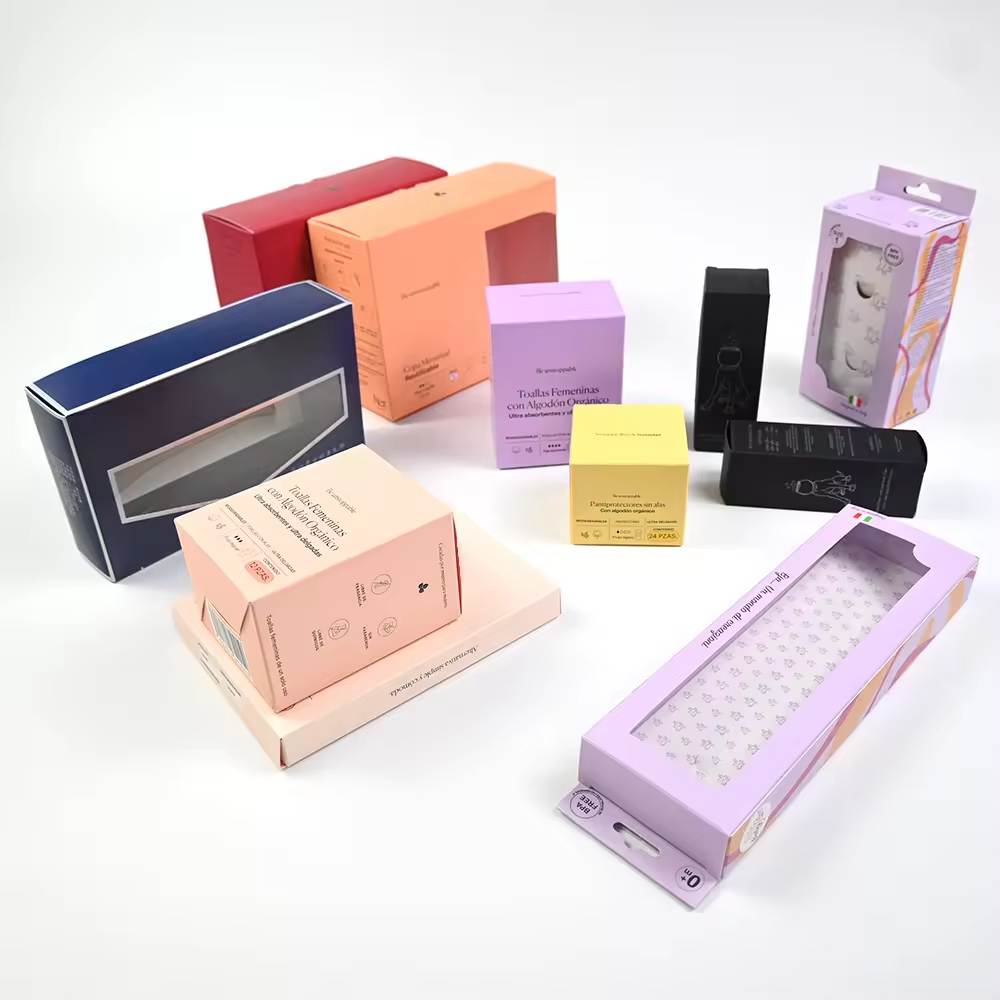
Why Industry-Specific Tuck Box Design Is Important.
Generic packages are not very successful in the competitive markets.
In creating a tuck box to store cards, CBD or cosmetic products, you need to keep in mind:
- Consumer psychology
- Retail shelf competition
- Regulatory requirements
- Brand positioning
- Cost control
Industry-specific packaging enhances:
- Brand recognition
- Customer trust
- Shelf differentiation
- Conversion rates
Knowing these aspects means that your tuck box is used with a purpose and to market your product.
Cosmetic Tuck Boxes - Designing to Beauty and Premium.
Primary Keyword: cosmetic tuck boxes.
Cosmetic packaging should send the message of quality and refinements at the first glance. The box should also be representative of the brand whether it is a lipstick, skincare or a beauty tool.
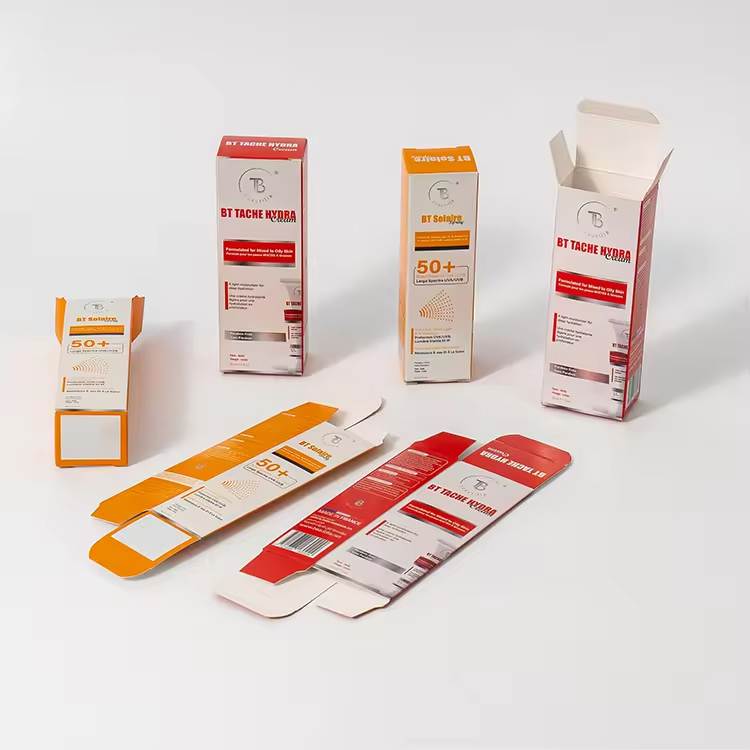
Luxury Finishing & Visual Identity.
To truly elevate cosmetic tuck box, relying on good looks alone isn’t enough, you need to let users “feel” the value:
- Apply soft-touch lamination to the surface.
- Add a foil stamping, especially on the brand logo.
- Incorporate embossing or debossing on the paper.
- Practice minimalism in your design.
Soft-touch lamination makes all the difference. The moment someone picks it up, that velvety texture immediately signals quality. In fact, getting the tactile experience right can easily increase perceived value, we’re often looking at a 20–50% lift, depending on the product category. Pair it with subtle gold or silver foil stamping, and you get brands like Glossier’s clean pink tuck boxes or Dior’s luxurious velvet-accented gift sets—both of which crush it in unboxing videos and rack up tons of social shares.
Recommendation: 300–400gsm SBS board + soft-touch lamination + selective embossing. It adds about USD 0.15–0.35 per unit, but the payoff in longer shelf dwell time and higher conversion rates often 15–25% makes it a no-brainer for mid-to-high-end lines.
Strategic Accuracy and Safeguard
Anyone working in cosmetics knows the reality: most products come in small, delicate bottles that are prone to breaking. So, for the outer packaging to hold up well, it needs to check these key boxes:
- Use 300–400gsm SBS board for better strength and durability.
- Make sure the die-cutting is precise—no sloppy edges.
- Go with rigid tuck closures that lock everything in place—so whether it’s bouncing around in a truck or sitting on a store shelf, it stays sealed and secure.
A solid, well-planned tuck box template pulls it all together—strengthening the structure and seriously cutting down on damage in transit.
Regulatory / Information Set-up
Every cosmetics package has to carry the usual legal lineup: ingredients, manufacturing details, usage instructions, batch codes. The real trick? Arranging all that fine print so it’s actually readable and compliant—without interrupting the design or diluting the brand identity.
CBD Tuck Box Packaging - Branding Compliance
It’s no secret CBD is one of the most regulated spaces out there. That means your packaging has to walk a tightrope: check every regulatory box, but still look premium enough to build trust. Finding that sweet spot is everything.Key priorities: Meeting legal labeling requirements Adding tamper-evident features Ensuring child safety Preserving that clean, credible brand image
Structural Strength & Safety
CBD packaging isn’t like grabbing a standard tuck box. It’s not that simple, you need more than whatever’s sitting on the warehouse shelf. First, you need thicker paperboard, these products aren’t light, and the box has to hold up. Then there’s the tamper-evident piece: tear strips, shrink bands, something that shows it hasn’t been opened. And if you’re doing ingestibles like oils, gummies, anything someone might put in their mouth, you’ve got an extra layer to deal with. Those have to be child-resistant, full stop. We’re talking PPPA compliance, 16 CFR 1700.20 and all that. It’s a lot, but it’s non-negotiable. That standard requires no more than 20% of kids under five can open it within five minutes, while at least 90% of adults can.
The safety features should not infringe on the general appearance of the brand.
Hygienic, Professional Designs
Avoid overly playful colors. Instead:
- Use matte finishes
- Neutral tones
- Minimalist typography
The success of the brands in CBD markets is based on credibility and trust instead of being flashy.
Playing cards Tuck box
Core Keywords Covered:
- tuck box for playing cards
- poker playing cards under tuck box.
- tuck box for cards
The tuck box is the most recognizable type of card packaging.
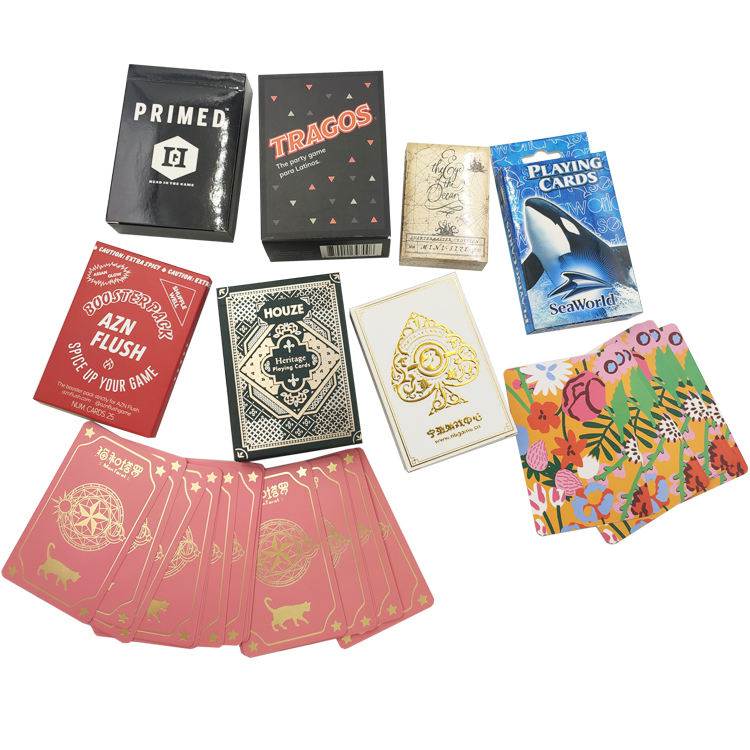
Why are cards packaged in tuck boxes
- Easy to open and reseal
- Compact and stackable
- Mass production is cost-effective.
- Fully printable surface
Poker playing cards/cards are better packaged in a Tuck box that is well designed to improve the collector value and brand recognition.
Card Packaging Design Refurbishment.
For premium card brands:
- Add foil stamping
- Apply spot UV highlights
- Use textured coatings
- Include thumb notches
Such details make it more tactile and quality perceived.
Crayola Tuck Box & Toy Packaging Design
Core Keywords Covered:
- crayola tuck box
- what is a crayola tuck box
A search of what is a crayola tuck box will give the standard style of crayon packaging commonly known as a simple tuck-top folding carton that is commonly used in toy packaging.
What Are the Effective Toy Tuck Boxes?
- Bright, engaging colors
- Clear product visuals
- Safe, non-toxic printing
- Easy-open design
Packaging of toys should also meet the safety standards of children and be appealing and affordable.
Why Crayola is an Iconic Design
Crayola has cracked the code on shelf presence. The flip-top lid with the built-in sharpener isn’t just clever, it solves a real problem: no stray shavings everywhere. Then there’s the color scheme. That yellow and green combo doesn’t scream for attention, it just quietly owns the aisle, especially with that product window letting the crayons do the talking. Underneath it all? A standard straight tuck-end structure. It’s lightweight, cheap to produce, and so functional that the design has barely budged in 60 years. Why fix?
Modern toy brands can learn from this: using ASTM D-4236 non-toxic inks and FSC-certified cardboard enhances safety and environmental awareness.
Knowledge of Tuck Box Design Principles
Even in niche markets, the fundamentals don’t go away. Smart structural planning is still the foundation.
Selecting the appropriate Structure
The common tuck box styles are:
- Straight tuck end (STE)
- Reverse tuck end (RTE)
- Tuck top auto bottom
- Double wall tuck front
Your choice depends on:
- Product weight
- Display orientation
- Shipping method
- Budget
Designing an Acceptable Tuck Box Template
A tuck box template that is supposed to be used by a professional should contain:
- Bleed areas
- Fold lines
- Glue tabs
- Safe artwork zones
Accurate dielines prevent:
- Misaligned printing
- Structural weakness
- Production delays
Product Type | Recommended Structure | Main Reasons | Relative Cost | Example Scenarios |
Light Cosmetics | Reverse Tuck End | Larger front panel for easier display of logo/product image | Medium
| Lipsticks, Skincare Products |
Playing Cards | Tuck Top Auto Bottom
| Automatic bottom locking, anti-collapse, pressure resistant | Medium | Common |
Toy | Straight Tuck End
| Most economical, easy to open, child-friendly | Low | Crayon Box |
CBD Compliant Product | RTE + CR Locking | Easy to add child safety mechanisms | High | Oil Gummy Candy |
The Tuck Boxes and the Increase in Brand Visibility
The initial brand contact is by way of packaging.
In a bid to optimize brand presence:
- Logo should be displayed in front panel.
- Have an identity of colour consistency.
- Use storytelling elements
- Include QR codes as a digital interaction.
In niche markets, there is clarity which creates trust. The product and its worth should be clear to the customers in the shortest time possible.
Production Planning of Bulk Orders
Before finalizing design:
- Confirm MOQ
- Select offset or digital printing.
- Evaluate finishing options
- Calculate turnaround time
Mass production reduces the unit cost and enables high quality finishing improvements.
Emerging Trends in Niche Tuck Box Packaging
Sustainability, digital integration, and personalization are becoming key directions in tuck box development.
Conclusion: Smart Packaging Design Leads to Market Success
To design a package to meet the specific niches, it is not enough to select a box structure.
- The cosmetic tuck boxes should be soft and luxurious.
- There should be a balance of compliance and branding in CBD tuck boxes.
- Playing card tuck boxes need to focus on longevity and the collector value.
- The toy tuck boxes of the Crayola style should be safe, colored and functional.
People think a plain tuck box is just a plain tuck box. But get the template right, design with your industry in mind, and suddenly it’s not so plain anymore. It becomes part of your brand. Simple doesn’t mean slapping your logo on any old box—it means making every detail count.
FAQ
Q: 1. What is a tuck box template?
A tuck box template is a dieline file, used to specify fold lines, glue tabs, bleed areas and the placement of artwork to be printed.
Q: 2. Do cosmetic tuck boxes work well with luxury brands?
Yes. Tuck boxes can also have a high-end appearance, particularly with such high-end finishes as foil stamping and soft-touch lamination.
Q: 3. What is a crayola tuck box?
It is defined as the traditional tuck-top box design that is usually used in packaging crayons.
Q: 4. Is it possible to use tuck boxes with the CBD products?
Yes, but it must be packaged meeting the local regulations of labeling and safety standards.
Q: 5. Which is the most suitable structure to play cards packaging?
The most popular box style for playing cards is the tuck-top auto-bottom box.

With more than 10 years of experience in OEM/ODM/Private Label Paper Packaging, I'd love to share with you the valuable knowledge related to paper box products from a reliable Chinese supplier's perspective.
Table of Contents
Own your OEM/ODM/Private label of paper packaging is so easy here.