
What Is a Shoulder Neck Box? Structure, Advantages & Uses
In order to pursue a more high-end packaging feel, the industry began to improve the structure of the top and bottom covers, thus evolving the shoulder-neck hard box (also known as “shoulder box” or “neck rigid box”).
This guide will give you a detailed analysis of the definition, structural principles, and core advantages of the shoulder-neck hard box, and explain why many luxury brands abandon the traditional two-piece hard box in favor of this unique packaging form.
What Is a Shoulder Neck Box?
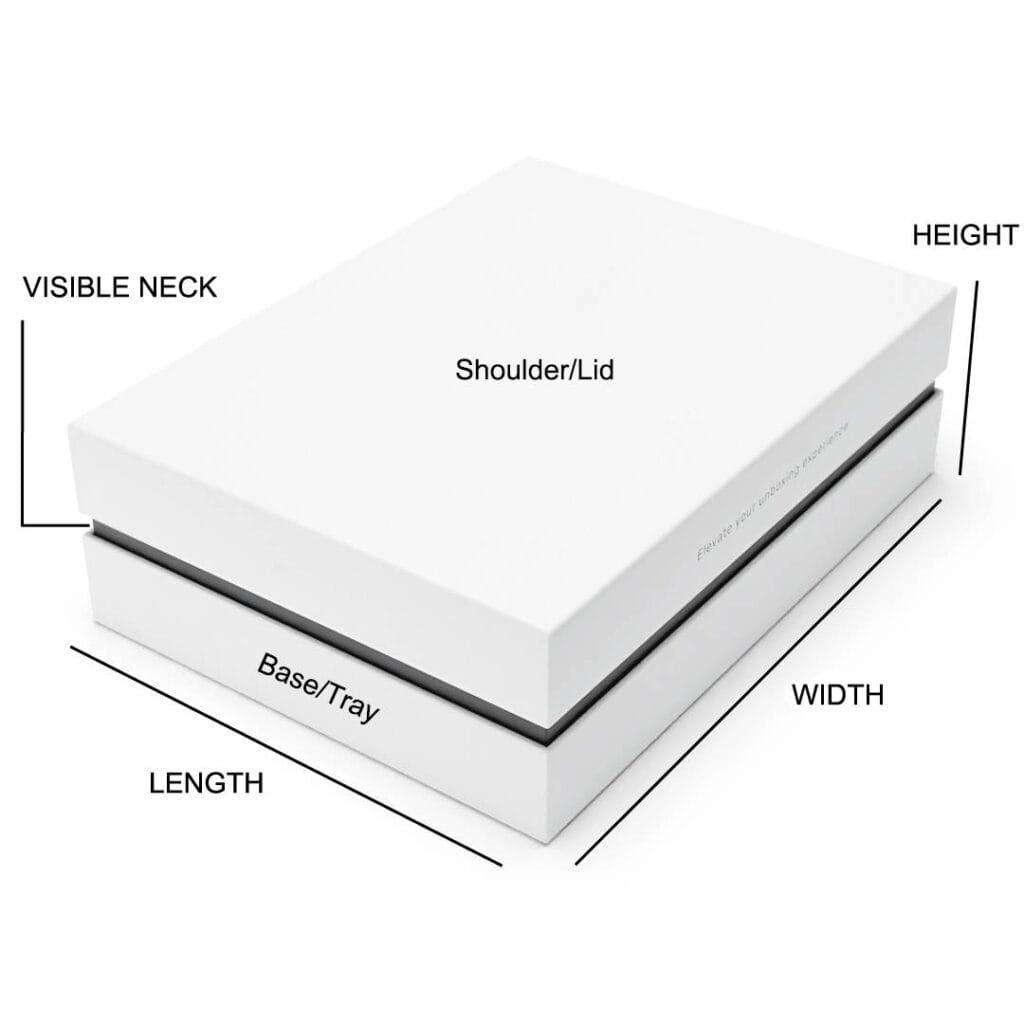
A shoulder neck rigid box is a premium three-piece rigid packaging solution consisting of a base, a lid, and an internal shoulder (or neck) tray.
The shoulder is a raised inner frame glued inside the base that protrudes slightly above the base walls. When you close the lid, it sits flush against the shoulder, giving it a stepped, layered look different from the usual two-piece box.
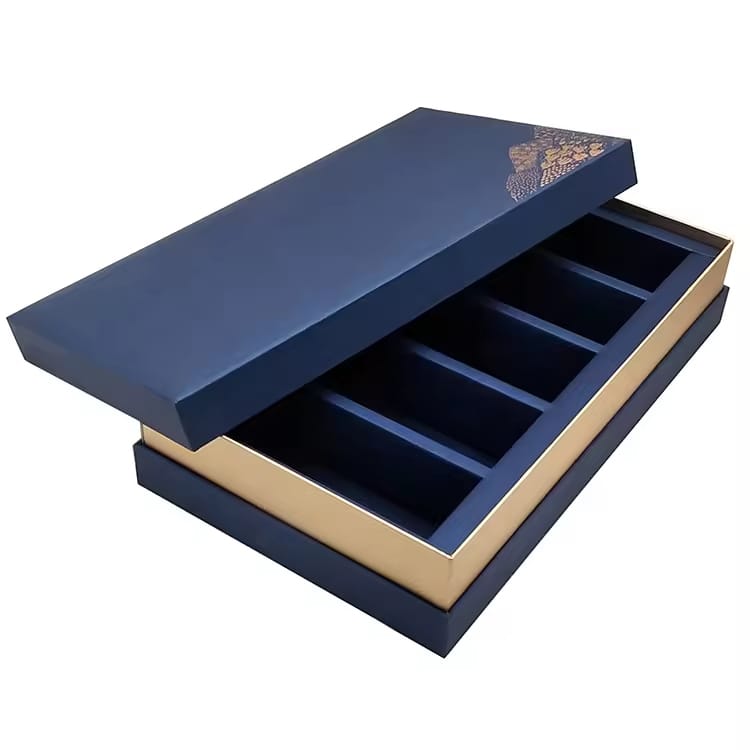
Understanding the Structure of a Shoulder Neck Rigid Box
Understanding this packaging means understanding each of its components.
Lid (Top Cover)
The lid is designed to fit snugly over the shoulder with just the right amount of friction. Unlike the looser lids you get on economy boxes, it stays perfectly aligned and gives you a satisfying little click when it closes.
The outside of the lid is prime real estate for branding. A lot of brands use contrasting colors or textures here to really drive brands
Base (Bottom Structure)
The base is where the product sits, and it’s usually made from thick greyboard anywhere from 1.5 to 2.5 mm, or about 1200 to 2000 gsm. That’s what gives it such great rigidity and durability.
On the inside, custom inserts keep the product nice and secure and they make the whole presentation look polished and sophisticated. Customers typically choose different inserts depending on the product; EVA foam or molded pulp is used for electronics and fragile items, while silk and cardboard trays are also options.
Shoulder (Neck Frame)
The shoulder is what really defines this box. It guides the lid into place, and it helps reduce wear after repeated openings.
Visually, the exposed shoulder adds depth and contrast.You’ll often see it finished in a complementary color, metallic paper, or even with subtle branding printed on it. On the manufacturing side, it requires precise die-cutting and gluing, so this style is more advanced—and more expensive—than your standard rigid box.
Key Advantages of Shoulder Neck Rigid Boxes
1. Premium, High-End Aesthetic
The visible stepped layer gives the box a sculptural, three-dimensional look that really stands out—whether it’s on a retail shelf or in product photography. It immediately feels crafted and exclusive.
2. Superior Structural Strength
The internal shoulder adds real strength to the walls, greatly improving compression resistance and overall durability. That extra protection really matters when you’re shipping fragile or high-value items.
3. Precise Lid Alignment
The shoulder guides the lid into perfect position every time, giving you a smooth, satisfying close. Though a small detail, it contributes significantly to the overall quality.
4. Memorable Unboxing Experience
Honestly, opening a shoulder neck box just feels different. The smooth reveal and that layered look turn unboxing into something you actually want to film and share.
5. Extensive Customization Options
These boxes are highly customizable. From size and paper to finishes like matte or metallic, plus details like foil stamping, magnetic closures, and inserts. You can really make them your own. Basically, whatever fits your brand.
Shoulder Neck Rigid Box vs Standard Two-Piece Rigid Box
The two styles share some similarities, but the differences are more pronounced.
- The shoulder-neck rigid box evolved from the standard two-piece rigid box, but with an added internal shoulder support layer. That little change gives the lid much better stability and makes the whole box noticeably stronger.
- The internal shoulder gives it that layered look, which instantly makes it feel more luxurious and three-dimensional.
- The shoulder-neck hard-sided case has a certain damping feel, while the two-piece case does not. The unboxing experience of the shoulder-neck hard-sided case is better.
- The manufacturing process for shoulder-neck hard cases is more complex and costly. The standard two-piece hard case structure is simpler and less expensive.
Common Applications
Shoulder neck rigid boxes are a go-to across a range of industries where both protection and presentation really matter. You’ll see these shoulder neck rigid boxes everywhere in the premium world: luxury jewelry, fine watches, high-end skincare, and even sleek electronics.
Jewelry brands love the secure fit and that satisfying reveal when the lid lifts. Cosmetics rely on them for that polished shelf presence look expensive.
Is a Shoulder Neck Rigid Box Right for Your Product?
Perfume and wine are typical applications for this box type. For some high-end brands, investing a little more in packaging can improve brand image, ensure product safety, and enhance the unboxing experience. For mass-market or budget products, though, a simpler two-piece rigid box or folding carton is usually the more practical choice; for example, soap is best suited to folding boxes.
Conclusion
If budget isn’t a concern, I’d personally prefer the shoulder-neck rigid box. Its layered structure gives the packaging a more sophisticated, luxurious feel—exactly the kind of quality that luxury brands look for to elevate their product and strengthen their image.
FAQ
Why do luxury brands use shoulder neck boxes?
Ordinary ceiling and floor cover boxes have no “positioning sense” when opening and closing, and the quality is not outstanding enough. Therefore, shoulder and neck boxes with structural stability, visual hierarchy, and a sense of damping when opening and closing have become high-end rigid packaging options.
Why is it more expensive?
They evolved from traditional hinged-top boxes, with increased materials and craftsmanship. Therefore, the price naturally increases.
What is the MOQ?
Usually 500–1000 pieces depending on the manufacturer.

With more than 10 years of experience in OEM/ODM/Private Label Paper Packaging, I'd love to share with you the valuable knowledge related to paper box products from a reliable Chinese supplier's perspective.
Table of Contents
Own your OEM/ODM/Private label of paper packaging is so easy here.