
Two Piece Box vs Other Rigid Box Types: Packaging Comparison Guide
Rigid boxes are commonly used for high-end packaging, though not all rigid boxes are suitable for every product. One of the first questions brands face when planning packaging is whether a two-piece box is the right choice—or if another type of rigid box would be better.
This article provides a clear comparison between two-piece boxes and other rigid box types, helping brands, wholesalers, and packaging buyers understand the structural differences, cost variations, and ideal applications for each. Rather than promoting a single solution, this guide aims to support informed decision-making based on your specific packaging needs.
Popular Rigid Box Types
To compare the options, it is necessary to comprehend the most widespread rigid box types that are applied in the custom packaging today.
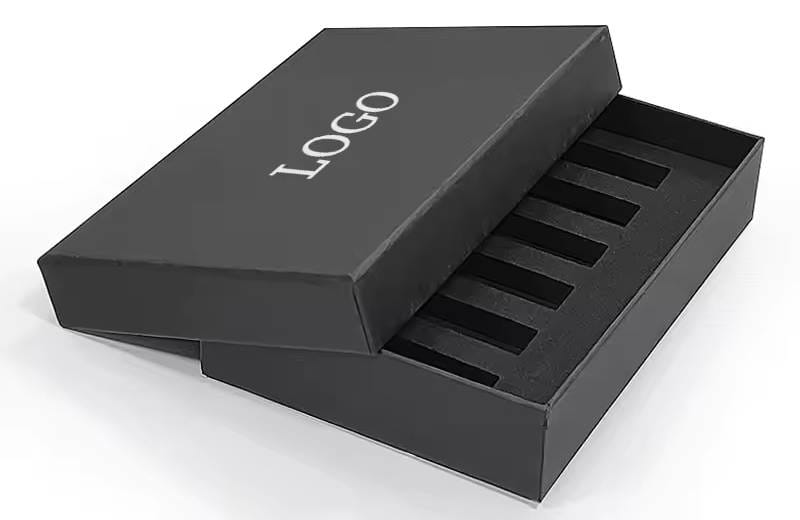
Two Piece Rigid Box (Lid & Base)
This is a traditional design with an independent base and lid. It is simple, versatile, and extensively industry applicable.
Two Piece Rigid Box: Typically constructed from 1.5–2.5mm greyboard, laminated in 120–157gsm printed paper. Ideal for MOQs from 500–1000 units; common sizes range from 10x10x5cm jewelry boxes to 30x20x10cm electronics packaging.
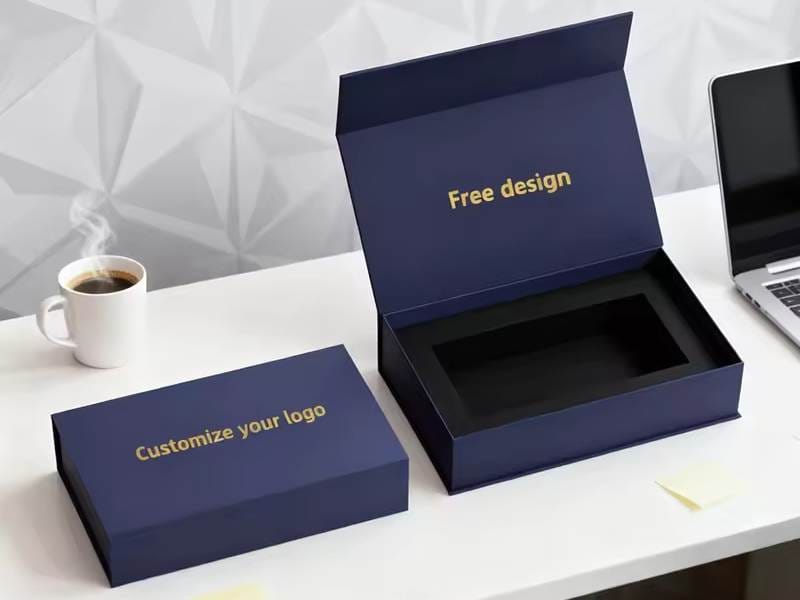
Magnetic Closure Rigid Box
Has a hinged top that has in-built magnets to close. Commonly used for luxury and presentation-focused packaging.
Magnetic Closure Rigid Box: Often uses hidden magnets. Production involves precise magnet placement (±0.2mm tolerance) to ensure consistent closure force.
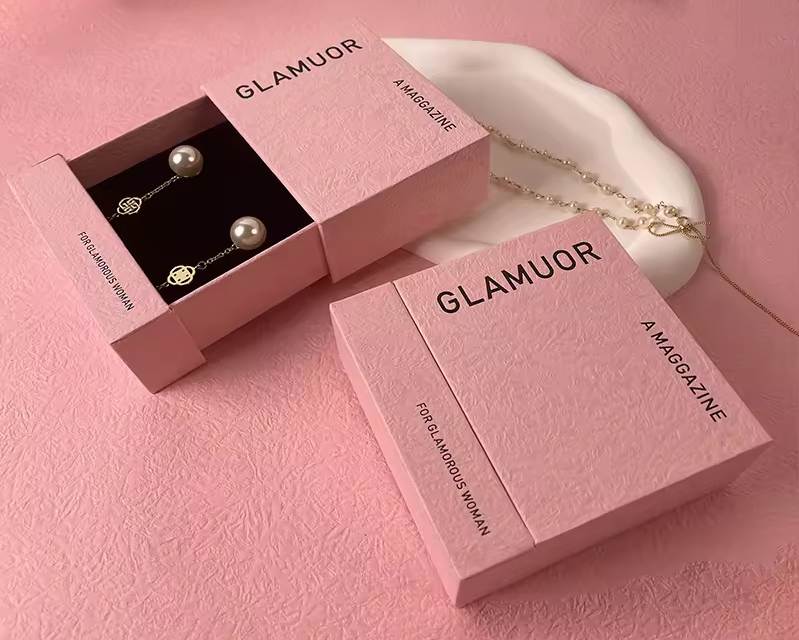
Drawer (Slide) Rigid Box
Features a sliding inner tray that pulls out from a rigid outer sleeve, creating an engaging unboxing experience.
Drawer (Slide) Rigid Box: Requires tight tolerances on sleeve and tray (gap <0.5mm for smooth slide without wobble); inner tray often EVA/foam lined.
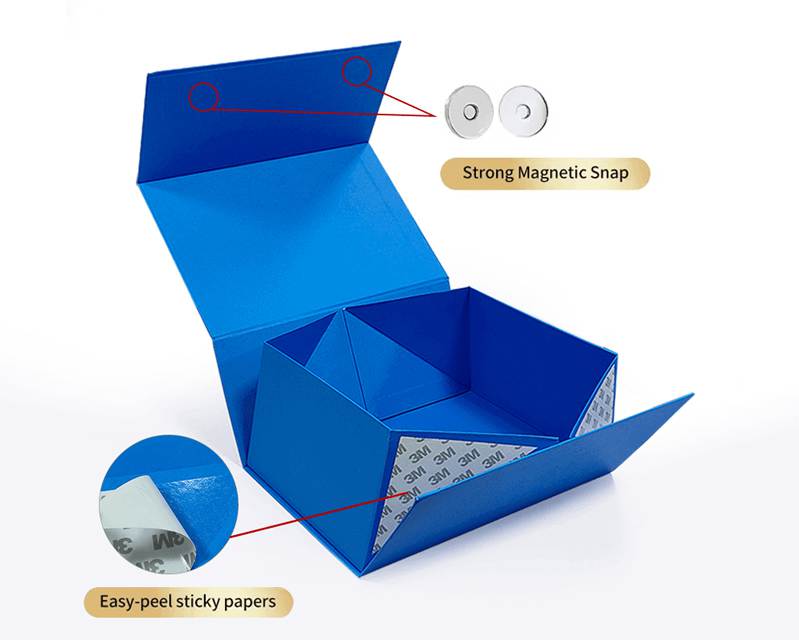
Foldable Rigid Box
A collapsible rigid box that folds flat for cost-effective shipping and storage.The construction of each structure has a specific purpose of functionality and branding, which is more evident with the direct comparison.
Foldable Rigid Box: Assembles in seconds with no tools. Shipping volume reduction: 50–70% vs assembled rigid boxes, translating to 30–60% freight savings on international shipments.
Magnetic Closure Rigid Box vs Two Piece Box
Magnetic closure rigid boxes are typically related to elite presentation and high branding. The magnetic closure and hinged design allow them to provide a sophisticated opening experience, particularly on high-end gifts or promotional packages. For small orders, the striking effect of the magnetic gift box effectively promotes the brand, offsetting the additional material and labor costs.
In comparison, two-piece boxes feature a simpler, more traditional lid-and-base structure. They are not dependent on magnets or elaborate hinges, making production easy and less expensive. Regarding manufacturing, two piece boxes are less complicated to build and scale to large orders.
Key differences in practice:
- Two piece boxes are based on versatility and cost management.
- Magnetic boxes are more focused on presentation with increased costs of materials and labor.
- Long-term repeat packaging programs are usually favored in two piece boxes.
Two Piece Box vs Drawer (Slide) Rigid Box
Drawer rigid boxes have been developed so that when unpacking them, the process is interesting. The sliding feature provides some form of interaction and can be applied to jewelry sets, accessories, or luxury collections. As the box opens and gradually reveals the product, it enhances anticipation and enjoyment.
Drawer boxes, however, need greater structural alignment and more materials, which may complicate production and increase unit cost. It is also possible that they are less effective with bulk packaging or automated packing lines.
By comparison, two piece boxes provide a simpler design that can be adapted to fit a greater selection of product sizes and packaging processes. When the efficiency and consistency between product lines are a priority to the brand, two piece boxes may tend to be more feasible.
Two Piece Box vs Foldable Rigid Box
Foldable rigid boxes do not require a lot of space to be shipped to a destination, as they can be folded flat and assembled. This building is especially appropriate when the main issue to consider is the logistics and warehouse expenses. Therefore, foldable magnetic boxes are highly attractive to e-commerce, subscription services, or brands with large shipping volumes.
Two-piece boxes don’t offer the same space-saving advantage during shipping, but they can be mass-produced mechanically, do not contain magnets, have cleaner edges, structural integrity, and premium appearance. Two piece boxes are also considered as one of the best choices, even though the volume of shipping is increased with the products being shown at the retail or placed as a high-end product.
Comparison both Two Piece Box and Other Rigid Boxes
In this example, we demonstrate the rationale of having two piece boxes as a balanced option in many industries.
- Two-piece rigid box: Mobile phones often use two-piece box. Apple’s iPhone packaging is known for its minimalist white two-piece rigid box, emphasizing a simple structure, ease of mass production, and high brand consistency.
- Magnetic rigid case: Luxury brands such as Chanel and Dior frequently use magnetic rigid box.
- Drawer-style (sliding) hard case: Many high-end jewelry and watch brands (such as Cartier or certain Swiss watch brands) favor drawer-style designs.
- Foldable magnetic rigid box: Cross-border e-commerce and subscription service brands (such as some beauty/fashion subscription cases) are increasingly adopting foldable rigid box.
| Criteria | Two Piece Box | Magnetic Rigid Box | Drawer Rigid Box | Foldable Rigid Box |
| Structure | Lid & Base | Hinged with magnets | Sliding tray | Foldable rigid board |
| Greyboard Thickness (typical) | 1.5–2.5mm | 1.5–2.5mm | 1.5–2.5mm | 1.5–2.5mm |
| Production Complexity | Low | High | Medium–High | Medium |
| Cost Level (relative, 1000 MOQ) | Baseline (Medium) | +20–60% | +15–50% | +20–30% prod, -30–60% shipping |
| Customization Flexibility | High | High | Medium | Medium |
| Assembly | Simple | Complex | Medium | Required |
| Shipping Efficiency | Low (assembled bulk) | Low | Low | High (flat pack) |
| Best Use Cases | Versatile, high-volume, cost-conscious premium (electronics, apparel) | Luxury unboxing (cosmetics, gifts, watches) | Interactive sets (jewelry, tech accessories) | E-commerce, international shipping, sustainability-focused |
The Guide to Selecting the Right Rigid Box for Your Product
Collaborating with a long-time rigid box manufacturer enables a brand to consider all of these aspects and create a packaging that can address actual needs, but not only trends.
Conclusion
No single rigid box can be said to suit all products and brands. Both the piece options (two piece, magnetic, drawer, or foldable) have a purpose in the custom packaging.
Two piece boxes are, nevertheless, recognized for their versatility, ease, and generality. Two piece boxes are still among the most efficient options in terms of presentation, cost, and scalability that a brand may choose when it needs a dependable rigid box to package its products.
The final decision on the selection of the appropriate rigid box will depend on what you know about your product, your customers, and what you want to achieve in your long-term objectives in packaging.
FAQ:
Q 1: What is the primary distinction between a two piece box and other forms of rigid boxes?
The primary difference lies in structural complexity. Two piece box is made on a simple lid-and-base principle, where other types of rigid boxes- magnetic, drawer, or foldable boxes- are made of more components or mechanisms. This facilitates the use of two piece boxes in a more versatile and cost-effective way and scales it to various industries.
Q2: Can two piece boxes be called premium when compared to the magnetic rigid boxes?
Yes, two piece boxes are highly regarded as premium, particularly when they have been tailored with quality materials and finishes. Although magnetic boxes provide a more design-fulfilling opening experience, two piece boxes provide a clean, traditional appearance that fits perfectly with high-end and professional branding.
Q 3: Which type of rigid box would suit a large volume or long-term program of packaging?
Two piece boxes are quite common when the packaging program involves a large volume or continuous one. They are more affordable to produce on a regular basis due to their simple construction, no production fluctuations, and could be customized easily and inexpensively over time.
Q 4: Are there any ways to customize two piece box as much as other forms of rigid boxes?
Absolutely. Two piece boxes have a broad selection of customization, including box size, materials, printing, surface finishes, and inner inserts. They are more flexible in most instances compared with more intricate, rigid box structures.
Q 5: Which type of rigid box is best to use with my product?
The type of rigid box will be the best depending on your product size, weight, brand positioning, budget, and channel of distribution. The comparison of various rigid box constructions and communication with an experienced packaging manufacturer can assist in ensuring the selected variant of the solution will take not only functional but also branding needs into account.

With more than 10 years of experience in OEM/ODM/Private Label Paper Packaging, I'd love to share with you the valuable knowledge related to paper box products from a reliable Chinese supplier's perspective.
Table of Contents
Own your OEM/ODM/Private label of paper packaging is so easy here.